1 Nov 2026
Decoding Voucher Pathways to Prize Reel Unlocks in App-Based Chance Platforms Under Evolving Compliance Rules

App-based chance platforms rely on voucher systems that convert promotional codes into reel access credits, and these pathways have grown more intricate as operators adjust to shifting regulatory demands across multiple jurisdictions. Users enter vouchers through dedicated sections in mobile apps, after which backend systems validate the codes against active compliance databases before granting spins or prize reel entries. Data from industry tracking services show that redemption rates vary by platform size, with larger operators processing thousands of daily voucher activations tied directly to progressive reel features.
Voucher Redemption Mechanics in Mobile Environments
Redemption starts when a player inputs a code during account login or session initialization, at which point the app queries centralized servers to confirm validity and remaining balance. Once approved, the system allocates credits that unlock specific reel configurations, often linking to random number generator cycles that determine prize outcomes. Observers note that some platforms route these credits through multi-step verification layers, including device fingerprinting and location checks, to satisfy regional requirements that took effect in various markets during 2025.
Integration with progressive jackpot pools adds another layer, because voucher-derived credits sometimes feed into shared prize structures that accumulate across user bases. Research indicates that these connections require real-time synchronization between voucher ledgers and reel engines, preventing discrepancies that could trigger compliance flags. Platforms that maintain separate audit trails for each voucher batch demonstrate higher consistency in meeting data reporting obligations.
Pathways Linking Vouchers to Prize Reel Access
Direct pathways map a single voucher to immediate reel unlocks, while indirect routes convert voucher value into loyalty points that later activate prize features after additional play thresholds are met. Figures reveal that indirect routes now account for a growing share of reel engagements in apps operating under multi-state licenses. Developers design these routes using modular code blocks that allow quick adjustments when new compliance parameters emerge, such as updated player verification intervals.
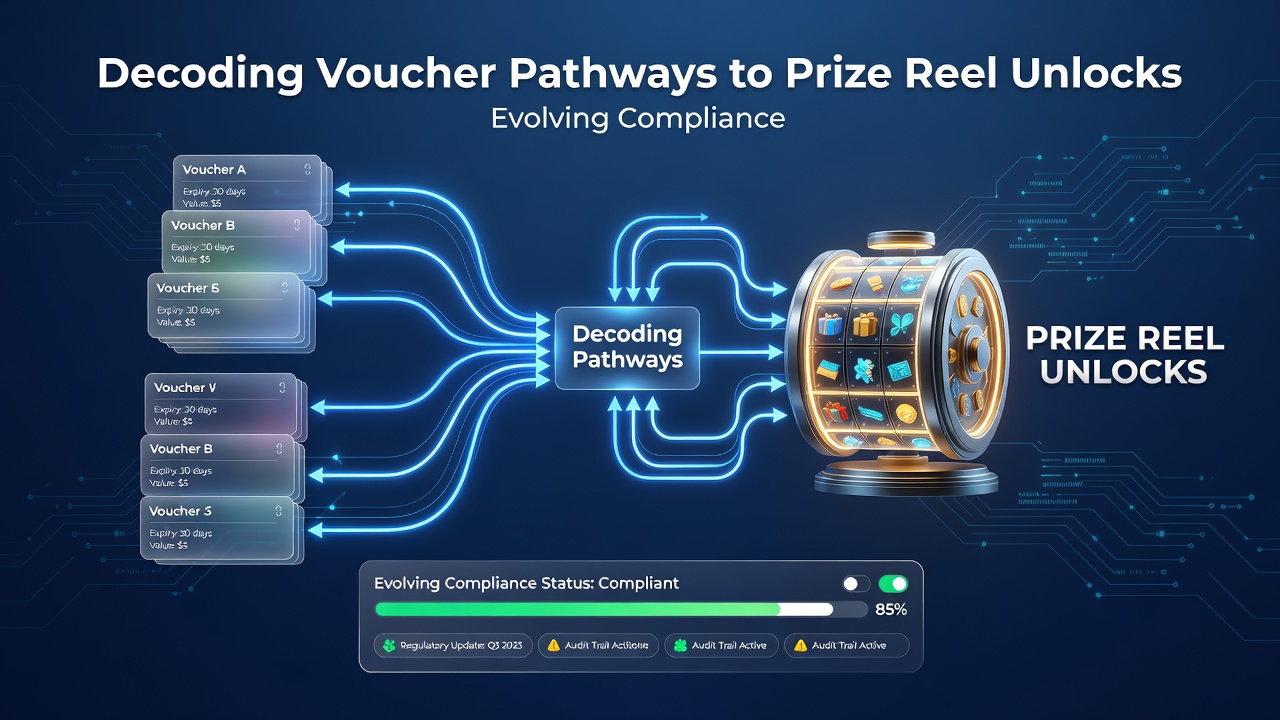
One study from the University of Nevada Reno examined transaction logs across several apps and found that voucher-to-reel conversions often pass through intermediate holding accounts before final allocation. This structure supports rollback capabilities if a compliance review identifies issues after initial processing. Platforms that adopted such intermediate steps reported fewer interruptions during scheduled regulatory audits in late 2025.
Compliance Adjustments and Their Operational Effects
Regulatory bodies in North America and Australia have introduced updated record-keeping standards that affect how voucher pathways interface with reel systems. The New Jersey Division of Gaming Enforcement, for instance, now requires detailed logging of every voucher redemption event that contributes to jackpot eligibility. Operators responded by embedding automated tagging within their apps, so each credit carries metadata about its origin and compliance status.
Changes scheduled for November 2026 in select Australian states will expand mandatory disclosure rules around prize reel probabilities when vouchers are involved. These rules will require apps to display updated probability tables immediately after voucher activation, which means developers must pre-load dynamic content modules capable of pulling fresh data from central compliance servers. Industry associations such as the European Gaming and Betting Association have published guidance documents outlining technical specifications that help platforms prepare for these updates without disrupting existing user flows.
Cross-border operators face added complexity because voucher validity sometimes differs by user location, forcing apps to maintain region-specific rule engines. Those engines check geolocation data against active regulatory lists before completing any reel unlock sequence. Reports compiled by the Canadian Gaming Association highlight that such location-aware systems reduced invalid redemptions by measurable percentages during pilot implementations in 2025.
Technical Implementation Across Platforms
Backend architectures typically separate voucher management from core reel logic through API gateways that enforce compliance checks at each transfer point. This separation allows operators to update compliance modules independently when new rules arrive, minimizing downtime for players. Data patterns collected over multiple quarters show that platforms using microservice designs handle voucher volume spikes more efficiently than monolithic alternatives.
Security protocols around these pathways include encryption of voucher codes in transit and at rest, plus periodic penetration testing focused on the redemption endpoints. Organizations that publish annual security assessments often cite voucher handling as a high-priority area because any breach could expose both player accounts and regulatory records simultaneously.
Conclusion
Voucher pathways continue to evolve alongside compliance frameworks that govern app-based chance platforms, with technical adaptations centered on validation speed, auditability, and regional rule enforcement. Platforms that maintain flexible architectures appear better positioned to incorporate upcoming requirements, including those set for November 2026. Ongoing monitoring by regulatory agencies and industry groups ensures that these systems remain aligned with current standards across different operating territories.