4 Oct 2026
How Comparative Evaluations of Introductory Incentives Shape Access Patterns to Reel-Based Rewards on Portable Platforms Under British Oversight Frameworks

Players across Britain routinely assess multiple introductory incentives before committing to any single platform, and this comparative process directly influences how they reach reel-based rewards on mobile devices. Introductory incentives typically include matched deposits, free spin allocations, and cashback structures, each carrying distinct eligibility criteria that operators must publish clearly under prevailing oversight rules. Those who study these offerings note that differences in wagering multipliers, game contribution percentages, and expiry windows often determine which reel titles become accessible first on portable screens.
Regulatory Context Governing Incentive Structures
British oversight frameworks require operators to present incentive terms in a transparent manner, ensuring that mobile users can compare features without hidden clauses that might restrict reel access. Data released in October 2026 indicated that platforms adhering to these standards recorded higher rates of initial engagement with slot content once players completed basic verification steps. External monitoring bodies track compliance through periodic audits, and findings from the Responsible Gambling Council highlight how standardized disclosure formats reduce confusion during cross-platform comparisons.
Access patterns shift when users weigh the relative value of different welcome packages against their preferred reel mechanics, such as volatility levels and bonus round frequency. Operators must maintain accurate records of incentive uptake, allowing regulators to identify trends where certain mobile cohorts gravitate toward low-wager offers that unlock specific progressive titles more quickly. Comparative evaluations therefore function as a gatekeeping mechanism that channels player activity toward particular reel libraries rather than others.
Mobile Interface Design and Incentive Navigation
Portable platforms present incentive details through layered menus and interactive calculators that let users model potential reel returns before depositing funds. Researchers have observed that these tools encourage systematic side-by-side assessments, leading to measurable differences in which reward tiers players unlock first. For instance, one study revealed that mobile sessions initiated after incentive comparisons lasted longer when the chosen offer aligned closely with the player's preferred reel volatility.
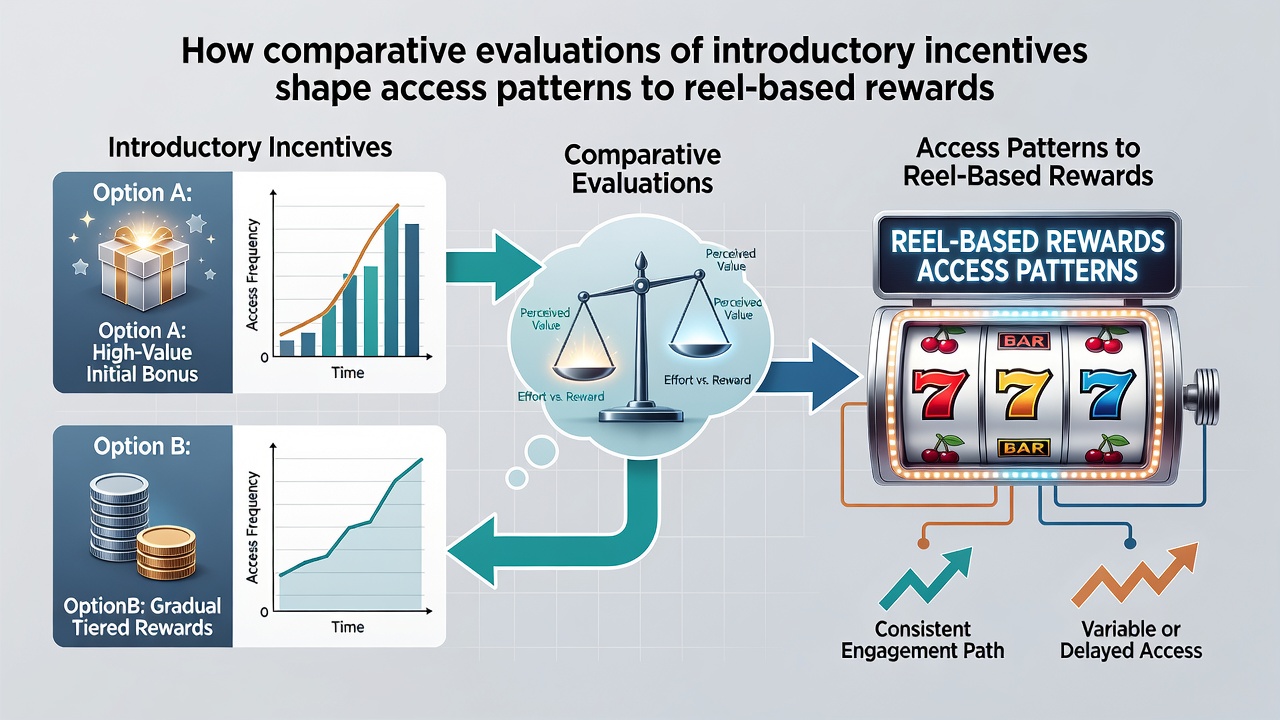
Interface elements such as filter toggles for wagering requirements and contribution rates further streamline the evaluation process, directing attention toward reels that satisfy multiple incentive conditions simultaneously. Observers note that platforms incorporating real-time previews of unlocked content experience distinct traffic flows, with users clustering around titles that qualify for accelerated reward pathways. This pattern holds across various device operating systems, though differences in screen size can affect how quickly comparative decisions translate into reel engagement.
Patterns Emerging from Incentive Comparisons
Statistical reviews of player behavior show that comparative evaluations correlate with accelerated movement through introductory reel stages, particularly when offers include tiered free spin ladders tied to deposit milestones. Those who've tracked these movements point out that users frequently prioritize platforms offering the lowest effective wagering thresholds, resulting in concentrated activity on a narrower selection of reel titles during the first thirty days of account activity. A report issued by the Australian Institute of Criminology examined similar cross-border patterns and found parallel shifts in access timing when incentive structures were made more transparent.
Seasonal fluctuations also appear, with October 2026 figures indicating a spike in comparative activity ahead of holiday promotions that layered additional reel multipliers onto base incentives. Mobile users who perform these evaluations tend to migrate between three to five platforms before settling on one primary access route, and this rotation affects how quickly they exhaust or extend their initial reward allocations. Oversight protocols require operators to log these migration sequences without impeding user choice, preserving the integrity of the comparative process.
Conclusion
Comparative evaluations of introductory incentives continue to direct access patterns toward specific reel-based rewards on portable platforms, operating within the boundaries set by British oversight frameworks. The mechanisms involved range from transparent term disclosures to mobile interface features that support side-by-side modeling, each contributing to observable differences in how players reach and sustain engagement with slot content. Continued monitoring of these patterns supplies regulators and operators with data needed to maintain balanced access across the mobile gambling environment.